Glycocalyx is a term used to describe the dense coat of carbohydrates covering the surface of most, if not all cells. These carbohydrates, or glycans, are covalently linked to to an assortment of membrane-bound features such a proteins (i.e.,glycoproteins) or lipids (i.e., glycolipids). The complexity of the glycan pattern is a result of a collection of glycan processing enzymes, mainly glycosyltransferases and glycosylhydrolyases, although other modifying enzymes are present such as sulfotransferases. These processing proteins create glycan strctures with a range of structural diversity and endow each structure with important glyco-epitopes. Understanding how glycan structure affects biological activity remains a major focus in the field of Glycobiology.
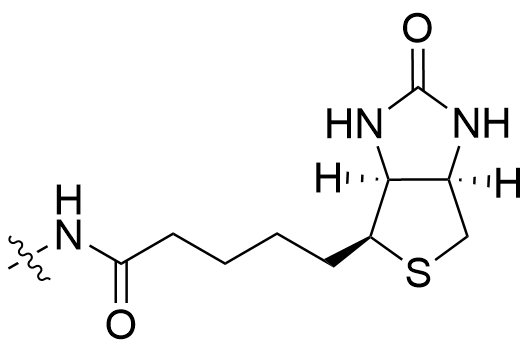
We have synthesized a collection of oligosaccharides of varying complexity which represent important glyco-epitpes found on important classes of glycans such as: N-glycans, O-glycans, human milk oligosaccharides (HMOs), and glycolipids. To make the molecules easy to integrate into various chemical and biological assays, targets have been designed with an assortment of anomeric linkers. Click on an anomeric modification below to view available products.